
Master Cholesterol Control Through Smart Nutrition
Discover evidence-based strategies to manage your cholesterol levels naturally through dietary choices. Learn how simple nutritional adjustments can transform your heart health and overall wellness.
Key Nutritional Strategies for Cholesterol Management
Soluble Fiber Integration
Incorporate foods rich in soluble fibre such as oats, barley, beans, and apples. These natural compounds bind to cholesterol particles in your digestive system, helping reduce LDL levels effectively while supporting overall gut health.
Heart-Healthy Fats
Replace saturated and trans fats with unsaturated alternatives. Fatty fish like salmon and mackerel, olive oil, nuts, and seeds contain omega-3 fatty acids that support cardiovascular function and help maintain healthy cholesterol ratios.
Plant Sterol & Stanol Content
Plant-based compounds found in fortified foods, seeds, and nuts actively compete with dietary cholesterol for absorption. Research shows regular consumption can lower LDL cholesterol by up to 10 percent when integrated into a balanced diet.
Whole Grain Consumption
Choose whole grains over refined carbohydrates to increase fibre intake and improve lipid profiles. Brown rice, quinoa, whole wheat bread, and legumes provide sustained energy while promoting cardiovascular wellness.
Colourful Vegetable & Fruit Intake
Vegetables and fruits rich in antioxidants, vitamins, and minerals help reduce inflammation and support endothelial function. Aim for variety across the colour spectrum to ensure comprehensive micronutrient coverage.
Hydration & Lifestyle Synergy
Adequate water intake supports metabolic processes and nutrient transport. Combined with regular physical activity, stress management, and quality sleep, proper hydration amplifies the benefits of dietary modifications.
Understanding Your Cholesterol Profile
Cholesterol management begins with understanding the difference between LDL (low-density lipoprotein) and HDL (high-density lipoprotein) cholesterol. LDL cholesterol can accumulate in arterial walls, whilst HDL cholesterol helps transport excess cholesterol to the liver for disposal. A balanced diet directly influences these ratios.
Nutritional interventions work by reducing the amount of dietary cholesterol consumed, lowering the body's production of cholesterol, and increasing the excretion of cholesterol through the digestive system. Over 8-12 weeks of consistent dietary changes, many individuals observe meaningful shifts in their lipid panels.
The key is understanding that nutrition is not a temporary measure but a sustainable lifestyle approach. When combined with regular movement, adequate sleep, and stress reduction, dietary modifications create a foundation for long-term cardiovascular wellness.
Read More Articles
Your 30-Day Nutritional Transformation Plan
Week One: Foundation Assessment and Swaps
Begin by evaluating your current diet and identifying quick wins. Replace refined carbohydrates with whole grains, swap full-fat dairy for lower-fat alternatives, and introduce one additional serving of vegetables daily. Focus on awareness rather than restriction.
Week Two: Strategic Addition of Protective Foods
Add soluble fibre-rich foods such as oats for breakfast, beans in lunches, and include fatty fish twice during the week. Begin incorporating plant-based oils and introduce nuts or seeds as snacks. These additions provide protective compounds without overwhelming changes.
Week Three: Integration and Sustainability
By week three, your dietary changes should feel more natural. Increase the variety of vegetables, experiment with plant-based meals, and refine portion sizes based on how you feel. Focus on creating meals you genuinely enjoy to ensure long-term adherence.
Week Four: Consolidation and Future Planning
Assess your progress, note which changes felt manageable, and identify habits worth maintaining. Plan the next 30 days with confidence, knowing that consistency compounds benefits. Consider keeping a simple food journal to track how dietary choices affect your energy and wellbeing.
Top Foods That Support Healthy Cholesterol Levels
Build your meals around these evidence-backed foods that actively support cardiovascular wellness through their nutritional composition and bioactive compounds.
Fatty Fish & Marine Foods
Salmon, mackerel, sardines, and herring contain omega-3 fatty acids (EPA and DHA) that reduce triglycerides and support HDL cholesterol. Aim for two to three servings weekly to gain cardiovascular benefits without excessive preparation.
- High in protective omega-3s
- Supports HDL elevation
- Reduces inflammation markers
Oats & Whole Grains
Oats contain beta-glucan, a soluble fibre that binds cholesterol and prevents its absorption. A single bowl of oatmeal can provide 1-2 grams of beta-glucan, contributing meaningfully to daily fibre targets and cholesterol management goals.
- Rich in beta-glucan fibre
- Stabilises blood sugar
- Promotes satiety and satisfaction
Legumes & Pulses
Beans, lentils, and chickpeas are plant-based protein sources packed with soluble fibre, polyphenols, and resistant starch. These compounds work synergistically to reduce LDL cholesterol whilst providing sustained energy and promoting digestive health.
- Excellent soluble fibre source
- Plant-based protein alternative
- Supports healthy gut microbiome
Nuts & Seeds
Almonds, walnuts, flaxseeds, and chia seeds contain unsaturated fats, plant sterols, and polyphenols. A small daily handful provides heart-protective compounds whilst satisfying hunger between meals naturally and sustainably.
- Rich in plant sterols
- Supports healthy lipid ratios
- Provides satiety without excess calories
Olive Oil & Plant Oils
Extra virgin olive oil contains polyphenols and monounsaturated fats that support endothelial function and reduce inflammatory markers. Use as a dressing or low-heat cooking medium to preserve its bioactive compounds and flavour profile.
- Anti-inflammatory polyphenols
- Supports vascular health
- Enhances nutrient absorption
Colourful Produce & Berries
Dark leafy greens, berries, tomatoes, and other brightly coloured vegetables contain antioxidants and phytochemicals that protect arterial walls and support lipid metabolism. Eat the rainbow daily for comprehensive micronutrient coverage.
- Rich in antioxidant compounds
- Reduces oxidative stress markers
- Supports overall cardiovascular function
Practical Meal Planning for Cholesterol Wellness
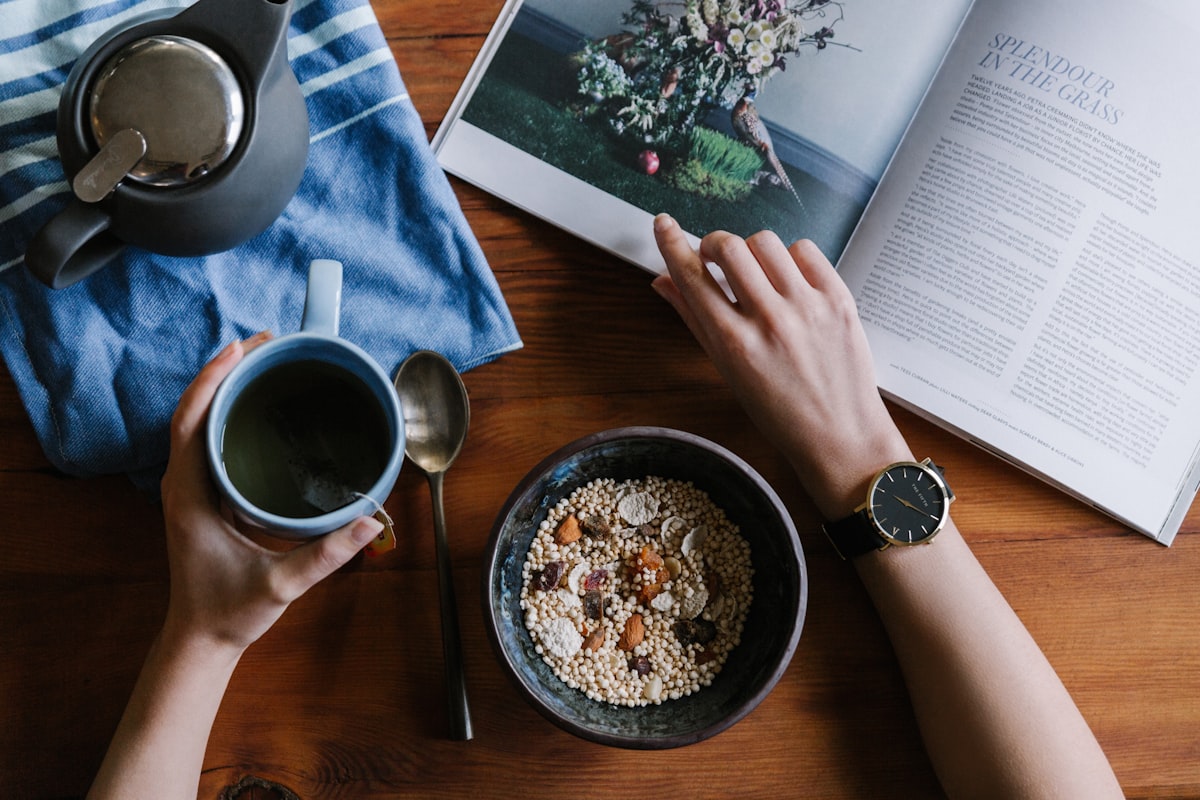
Effective cholesterol management doesn't require complicated recipes or exotic ingredients. Focus on building simple meals with familiar whole foods: grilled fish with roasted vegetables, oatmeal topped with berries and nuts, lentil-based soups, and salads with olive oil dressings. The foundation is consistency, not perfection.
Consider batch-cooking whole grains and legumes on weekends to simplify weekday meal preparation. Keep frozen vegetables and fish on hand for quick assembly. When eating out, request preparation modifications—grilled instead of fried, olive oil instead of butter, vegetable sides instead of chips. These small choices compound significantly over time.
Reading nutrition labels helps identify hidden saturated fats and sodium. Choose products with shorter ingredient lists and recognisable components. Focus on adding protective foods rather than obsessing over restriction, which creates a more positive and sustainable approach to dietary change.
Browse ArticlesReal Results From Our Community
"Following the nutritional guidance provided genuinely transformed my cholesterol panel. After three months of consistent dietary adjustments, my LDL decreased meaningfully and my energy levels improved dramatically. I finally understand that food is medicine."
James Mitchell
Manchester, UK
"The practical meal-planning approach made dietary change feel sustainable rather than restrictive. I appreciated learning which foods actually lower cholesterol instead of generic advice. The recipes were simple and didn't require specialist ingredients."
David Richardson
Liverpool, UK
"What impressed me most was the science-backed information presented in an understandable way. I finally grasp why certain foods matter and how they work within my body. The 30-day plan provided structure without being overwhelming."
Michael Chen
Birmingham, UK
Common Questions About Cholesterol & Nutrition
Most individuals begin noticing changes within 2-4 weeks of consistent dietary modifications, though more significant shifts typically appear after 8-12 weeks. Individual variation depends on baseline cholesterol levels, adherence consistency, genetics, physical activity, and overall lifestyle factors. Regular monitoring through blood work provides objective feedback on your progress.
No. Eliminating all fats is neither necessary nor advisable. The focus is on replacing saturated and trans fats with unsaturated alternatives. Healthy fats from olive oil, fish, nuts, and seeds actually support heart health and nutrient absorption. These fats contain compounds that improve HDL cholesterol and reduce inflammation. The key is choosing quality sources and appropriate portion sizes.
Dietary modifications are powerful but represent one component of comprehensive wellness. Regular physical activity, adequate sleep, stress management, and maintaining a healthy weight amplify nutritional benefits. For some individuals with genetic predispositions, nutritional strategies combined with other lifestyle modifications may require additional professional assessment. Consult relevant health professionals for personalised guidance.
Eggs contain dietary cholesterol but also choline and lutein—beneficial compounds. Modern research suggests that dietary cholesterol's impact on blood cholesterol is less significant than previously believed, especially when eggs are part of a balanced diet. Moderate egg consumption (several per week) is compatible with cholesterol management in most individuals. The context of the overall diet matters more than any single food.
Soluble fibre is exceptionally important because it binds cholesterol particles in the digestive tract, preventing reabsorption and promoting excretion. Aim for 10-25 grams of soluble fibre daily from sources like oats, beans, barley, and vegetables. Increasing fibre gradually and drinking adequate water minimises digestive discomfort whilst maximising benefits.
Real Stories, Real Results
Men from around the world have transformed their health with our evidence-based guidance
"Within three months of following the nutrition and exercise guidelines, my cholesterol dropped by 45 points. The practical tips made sustainable changes easy to implement."
James Mitchell
Age 52, London
"I appreciated how this approach balances health science with realistic lifestyle changes. No extreme restrictions—just smart choices that fit my schedule."
Robert Chen
Age 45, Sydney
"The combination of cardio and strength training recommendations, paired with dietary adjustments, gave me measurable results. My doctor was impressed with my progress."
David Patel
Age 48, Toronto
Ready to Transform Your Cholesterol Levels?
Take the first step today. Download our comprehensive guide to natural cholesterol management and receive exclusive tips delivered to your inbox.
Privacy protected. No spam. Evidence-based content only.
MenHealthyChoices
Empowering men with science-backed health guidance for lasting wellness.
Resources
Support
© 2024 MenHealthyChoices – VAT: GB275 3220 17. All rights reserved. This content is for educational purposes and not a substitute for professional medical advice.